MobilChef Concept

Category:

Selfservice

Role:

UX Designer

Duration:

Approx 1 year

Client: Telmore

NB: Focus for this page

The primary focus of this case study is to show brainstorm and user involvement throughout the design process of the self-service solution.


NB: Focus for this page

The primary focus of this case study is to show brainstorm and user involvement throughout the design process of the self-service solution.


NB: Focus for this page

The primary focus of this case study is to show brainstorm and user involvement throughout the design process of the self-service solution.


Summary

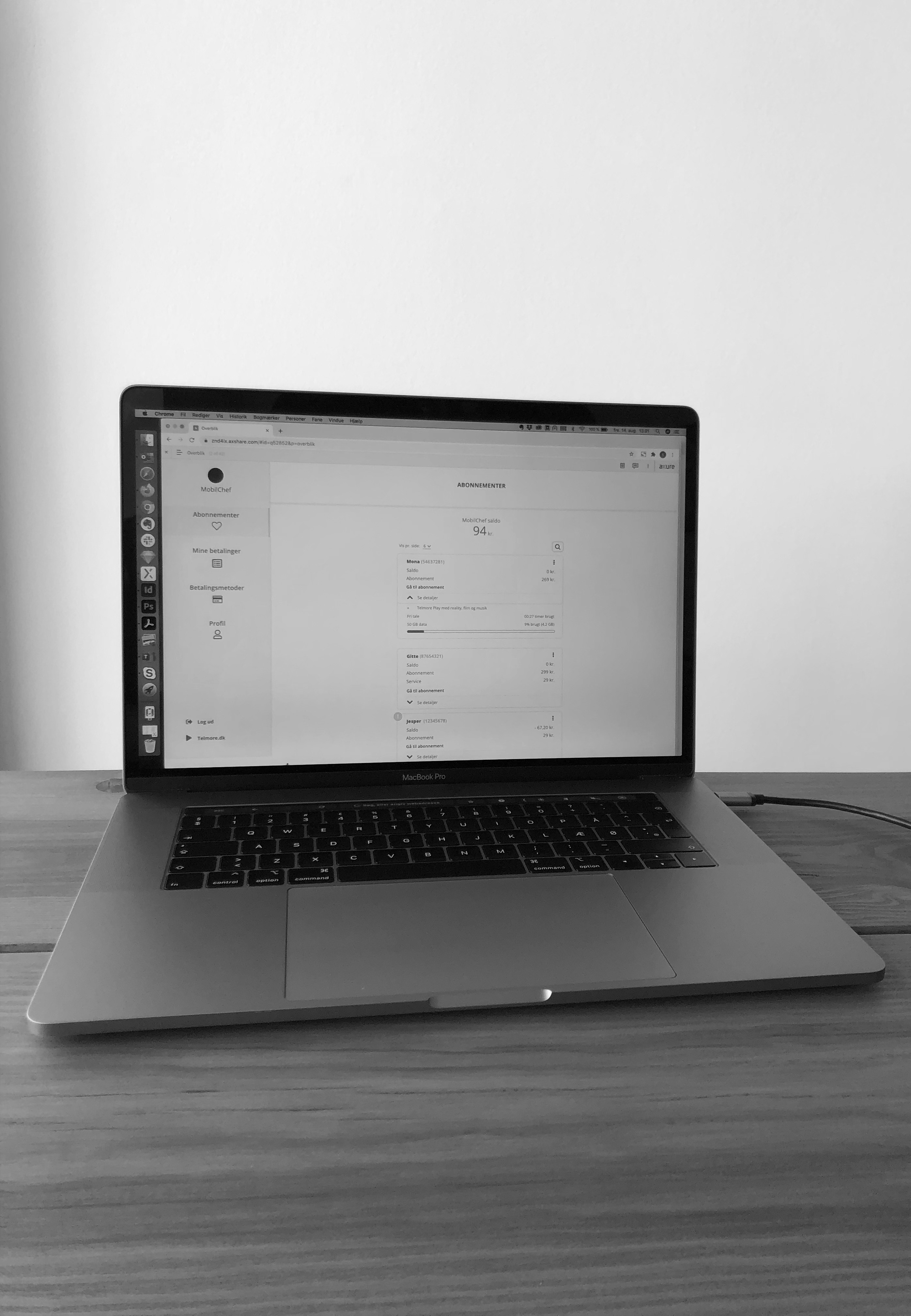
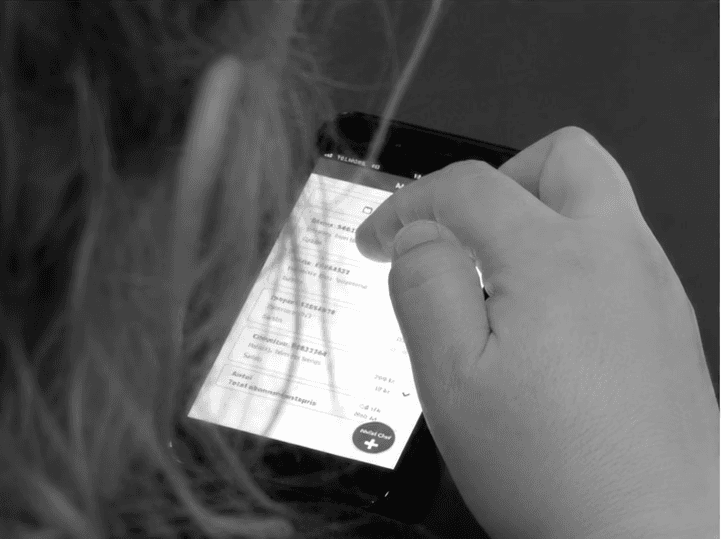
This project focused on creating a self-service solution for Telmore customers with multiple subscriptions. The objective was to make it easy for users to switch between subscriptions and access relevant account information through a clear and intuitive interface. Through an iterative design process involving user research, prototyping, and usability testing, the solution evolved into a more intuitive and efficient user experience.

Summary

This project focused on creating a self-service solution for Telmore customers with multiple subscriptions. The objective was to make it easy for users to switch between subscriptions and access relevant account information through a clear and intuitive interface. Through an iterative design process involving user research, prototyping, and usability testing, the solution evolved into a more intuitive and efficient user experience.

Summary

This project focused on creating a self-service solution for Telmore customers with multiple subscriptions. The objective was to make it easy for users to switch between subscriptions and access relevant account information through a clear and intuitive interface. Through an iterative design process involving user research, prototyping, and usability testing, the solution evolved into a more intuitive and efficient user experience.

The Challenge

Telmore customers with multiple subscriptions often struggled to maintain a clear overview of their accounts and quickly access relevant information. Switching between subscriptions, managing balances, and viewing account-specific details could be time-consuming and confusing. The challenge was to create a self-service solution that simplified subscription management and enabled users to find information with minimal effort.

The Challenge

Telmore customers with multiple subscriptions often struggled to maintain a clear overview of their accounts and quickly access relevant information. Switching between subscriptions, managing balances, and viewing account-specific details could be time-consuming and confusing. The challenge was to create a self-service solution that simplified subscription management and enabled users to find information with minimal effort.

The Challenge

Telmore customers with multiple subscriptions often struggled to maintain a clear overview of their accounts and quickly access relevant information. Switching between subscriptions, managing balances, and viewing account-specific details could be time-consuming and confusing. The challenge was to create a self-service solution that simplified subscription management and enabled users to find information with minimal effort.


Card Sorting

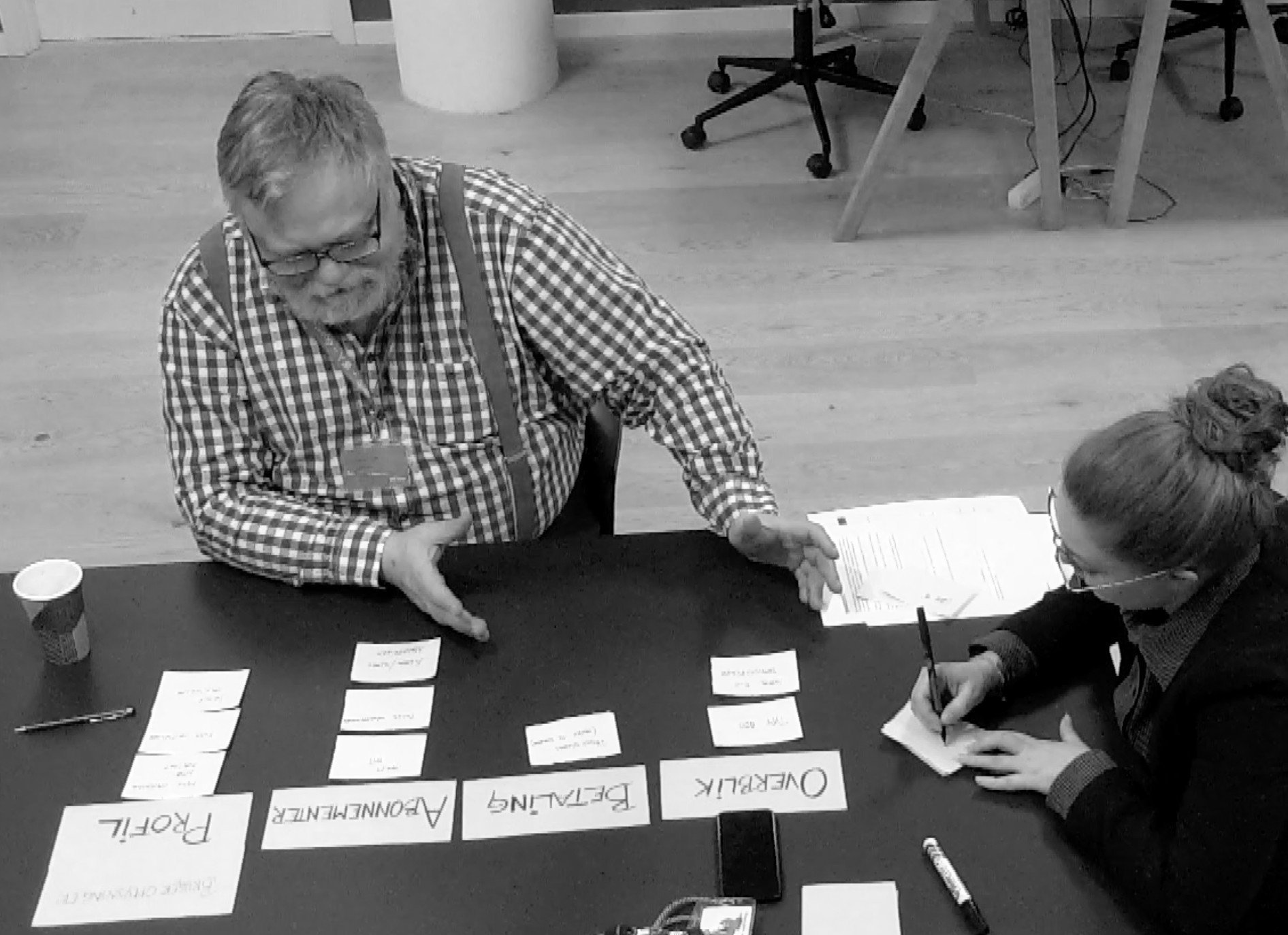
I conducted several card sorting sessions to understand how users naturally group and categorize information. The results were used to optimize the information architecture and create a more intuitive navigation experience.


Brainstorm & Mock-ups

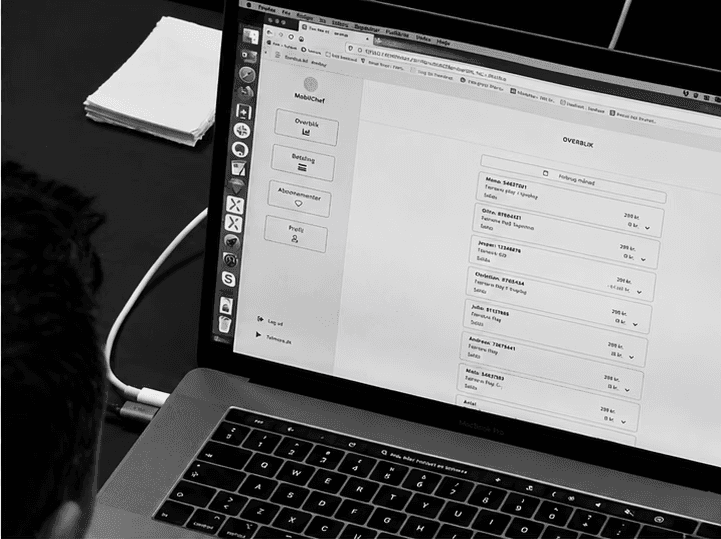
Through brainstorming workshops, sketching, and low-fidelity wireframes, different concepts and user flows were explored.

This iterative process helped identify opportunities, validate assumptions, and shape the overall direction of the self-service solution.


Think-Aloud Usability Testing

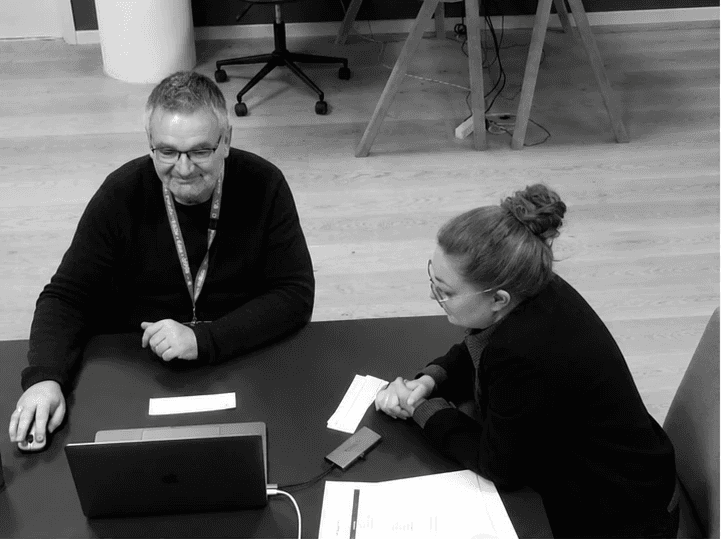
To evaluate the usability of the prototype, users were assigned a set of tasks based on common customer scenarios. During the sessions, participants were encouraged to think aloud while navigating the interface, providing insights into their expectations, frustrations, and decision-making process. The findings helped validate design decisions and uncover opportunities for improving the overall user experience.


Reflection

One of the key learnings from this project was how valuable early user involvement can be in reducing assumptions and guiding design decisions. Activities such as card sorting, workshops, and think-aloud usability testing revealed insights that would not have emerged through stakeholder discussions alone. By continuously validating ideas with users, the solution evolved into a more intuitive, scalable, and user-centered experience.